Florida Window Tint Laws 2026: What West Palm Beach Drivers Need to Know
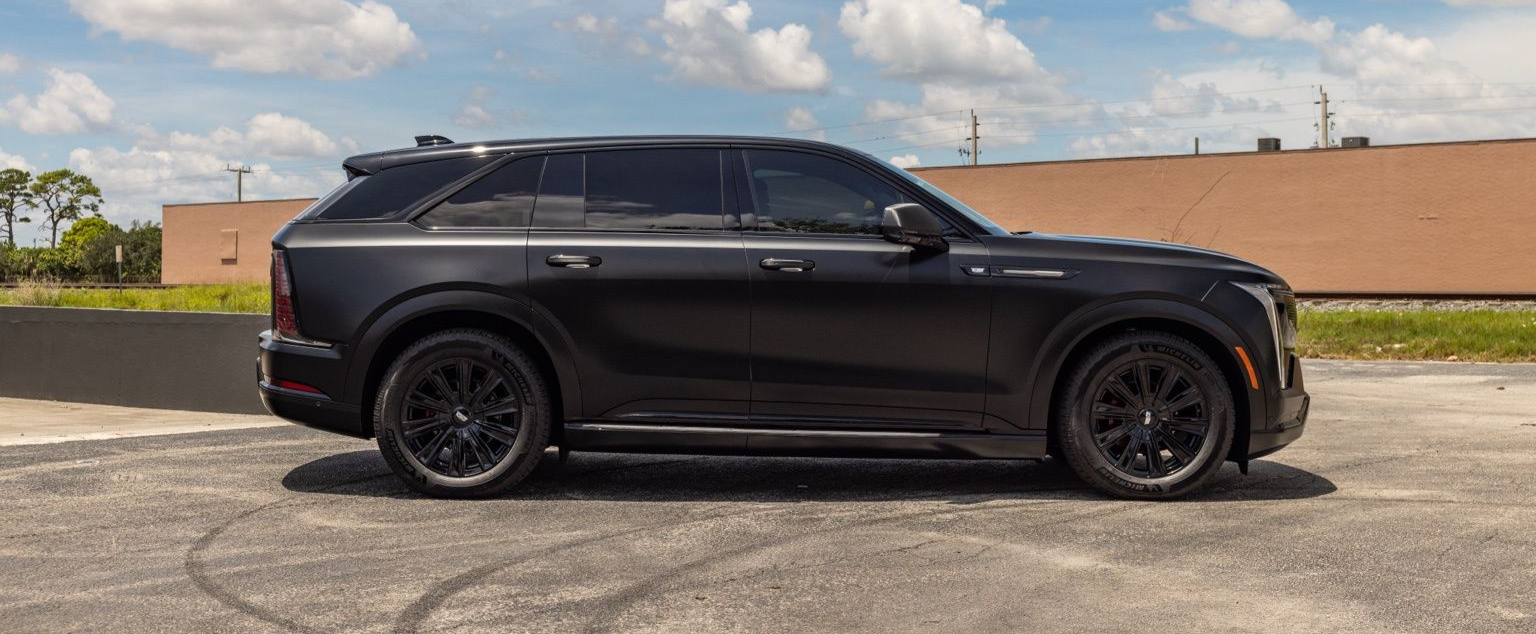
As the Florida sun beats down on West Palm Beach, many drivers look to window tinting as a way to stay cool, protect their skin, and enhance their vehicle’s style. At LOOKS Auto Detailing, we specialize in high-performance window solutions—including LLumar IRX ceramic tint—that maximize comfort and compliance. But before you roll your windows up, it’s essential to understand Florida’s current tint laws for 2026 to ensure your vehicle remains both stylish and street-legal.
In this guide, we’ll break down the legal limits for Visible Light Transmission (VLT), reflectivity standards, the AS-1 line rule, and how medical exemptions work. Whether you're protecting your daily driver or customizing your SUV, knowing the rules helps you make smarter choices and avoid unnecessary fines.
What Are the Legal Tint Limits in Florida for 2026?
Florida Statute 316.2953 sets clear standards for window tint darkness, also known as Visible Light Transmission (VLT). These rules vary depending on the window type and vehicle category:
- Front Side Windows: Must allow more than 28% of light to pass through. This applies to sedans, SUVs, and trucks alike. Tint that’s too dark on the driver and passenger sides can result in a citation.
- Back Side Windows & Rear Window: No restrictions on darkness for SUVs, trucks, and vans—these windows can be as dark as 5% (limo tint) and still be fully legal. Sedans must allow more than 28% of light through the rear side windows.
- Windshield: Tinting is permitted only above the AS-1 line, which is typically the top 4–6 inches. The tint here must be non-reflective to avoid glare.
- These regulations are strictly enforced across Palm Beach County, so it’s crucial to work with a certified West Palm Beach installer like LOOKS Auto Detailing to ensure full compliance.
ops specialize in one or two services. LOOKS Auto Detailing does it all, and does it at a high level:
Reflectivity & Color Rules: What’s Allowed?
Beyond tint darkness, Florida law also regulates how reflective your tint can be:
- Reflectivity: Front side windows must have a reflectivity of no more than 25%. Rear side windows and the rear windshield can have a reflectivity up to 35%.
- Tint Colors: Red, yellow, and amber tints are banned. Acceptable colors include gray, smoke, bronze, and charcoal. These not only meet legal standards but also complement a wide range of vehicle finishes.
Understanding the AS-1 Line
The AS-1 line is a horizontal mark on the windshield required by federal safety standards. It's usually visible as a ceramic dot matrix or shaded band near the top of the glass. Tint can be applied above this line, but never below it on the windshield. This rule ensures clear visibility while still allowing some sun protection.
Medical Exemptions for Window Tint
Drivers with certain medical conditions—such as lupus, extreme photosensitivity, or skin disorders—can apply for a medical exemption that allows tint darker than 28% on front windows. To qualify:
- A licensed physician must complete an official certification form (Form DS-DEC-0006).
- The form must be carried in the vehicle at all times.
- Even with an exemption, tint must still meet UV and reflective standards.
If you believe you qualify, consult your doctor and inform your installer—like LOOKS Auto Detailing—so they can document and apply compliant window film.
Why LLumar IRX Ceramic Tint Is the Smart Choice for West Palm Beach
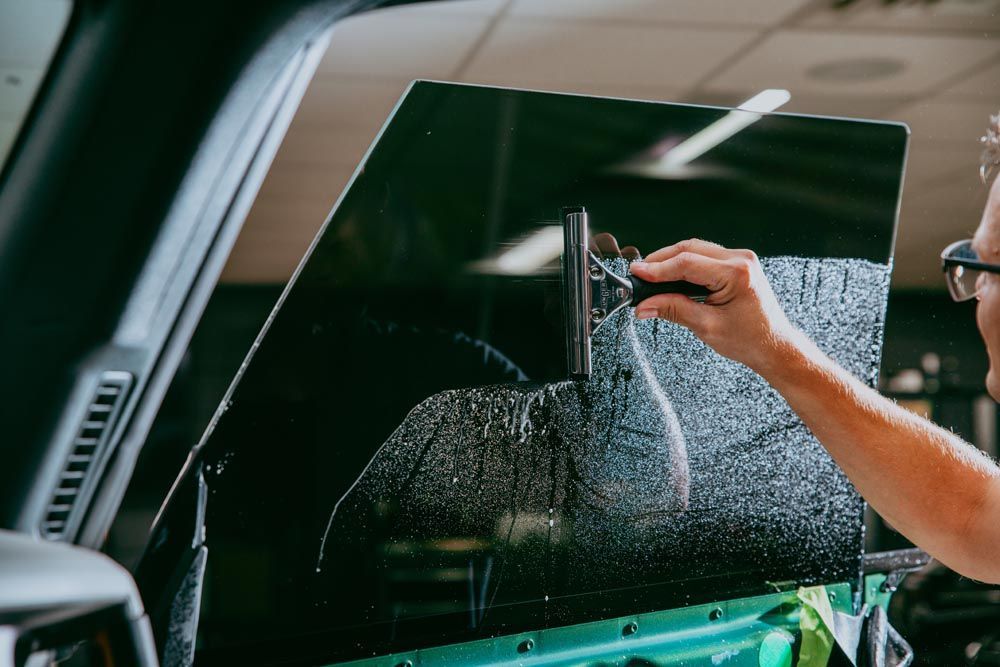
At LOOKS Auto Detailing, we recommend LLumar IRX ceramic window tint for drivers who want the ultimate combination of performance, comfort, and legality. Here’s why:
- Superior Heat Rejection: Blocks over 62% of total solar energy, keeping your cabin cooler and reducing AC strain.
- UV Protection: Filters 99% of harmful UV rays—critical for protecting your skin and preventing interior fading.
- No Signal Interference: Unlike metallic tints, ceramic film won’t block GPS, cell phone, or Bluetooth signals.
- Durability & Clarity: Resists fading, bubbling, and discoloration for long-lasting performance.
- Legal Compliance: Available in 30% VLT, making it perfect for front windows while staying within Florida’s 28%+ limit.
LLumar IRX is ideal for both sedans and SUVs, offering a sleek, professional look without compromising safety or legality.
Make the Smart Move: Get a Free Tint Estimate from LOOKS Auto Detailing
With summer heat already rising in West Palm Beach, there’s no better time to upgrade your vehicle’s comfort and protection. Whether you’re looking for legal, high-performance ceramic tint or need help with a medical exemption application, the certified experts at LOOKS Auto Detailing are here to help.
We guarantee professional installation, full compliance with Florida’s 2026 window tint laws, and a finish that enhances both style and function.
Call us today at
(561) 578-7645 or visit
looksdetailing.com to schedule your free, no-obligation estimate. Let us help you stay cool, protected, and compliant—all year round.
Frequently Asked Questions About Florida Window Tint
Can I get a ticket for illegal window tint in Florida?
Yes. Illegal tint is a primary offense, meaning officers can pull you over just for dark windows. Penalties include fines and being required to remove the non-compliant film.
Does window tint really protect my car’s interior?
Absolutely. Quality tint blocks over 99% of UV rays, significantly reducing dashboard cracking, upholstery fading, and glue deterioration.
How long does ceramic tint last?
LLumar IRX ceramic tint is warrantied for life and can last well over 10 years with proper care.
Can I tint my front windshield completely?
No. Tint is only allowed above the AS-1 line on the windshield. Completely tinted windshields are illegal for safety reasons.
Do I need to bring my car in for a tint inspection after installation?
No—Florida does not require tint inspections. However, it’s wise to keep your installation certificate on file, especially if you have a medical exemption.
Recent Posts